A recent decision from the Georgia Court of Appeals, Loveless v. GHS Investments, LLC, highlights a reality many tenants and their families don’t think about—until it’s too late: landlords can be held responsible when dangerous property conditions go unchecked.
This case arose after a woman was seriously injured when an exterior staircase at an apartment complex suddenly collapsed beneath her. What followed was a legal battle over a central question in Georgia premises liability law: who is responsible when unsafe conditions exist—and should the landlord have known about them?
The Incident: A Preventable Collapse
The property owner had recently purchased an apartment complex that came with clear warning signs:
- An appraisal described the buildings as “below average” with deferred maintenance
- A survey report identified roof and gutter issues
- Units were being renovated—but no formal inspection process was in place
Despite this, prospective tenants were allowed to visit units—sometimes unsupervised and without restriction.
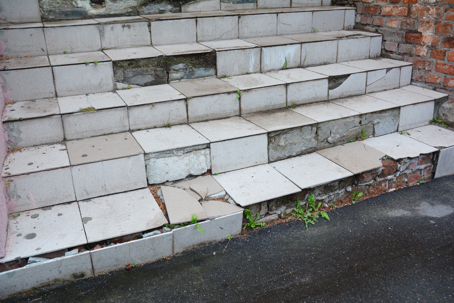
During one such visit, a prospective tenant brought her mother to look at the apartment before signing the lease. As the mother walked up the wooden staircase, it collapsed without warning, causing serious injury.
An engineer later concluded:
- The stairs failed due to wood rot
- The rot was caused by water damage
- The water damage stemmed from poor gutter maintenance
Invitee vs. Trespasser: Why Status Matters
One of the landlord’s key defenses was that the injured woman was a trespasser, not someone they owed a duty to protect.
Under Georgia law:
- Invitees (like customers or prospective tenants) are owed a duty of ordinary care
- Licensees are owed a lesser duty
- Trespassers are owed very minimal protection
The trial court initially agreed with the landlord. But the appellate court disagreed.
The evidence showed:
- The tenant had been allowed to visit multiple times
- Units were left unlocked
- No restrictions were placed on bringing guests
- The visit was directly tied to a pending lease
That was enough for the court to say:
that a jury could reasonably find the injured woman was an invitee, not a trespasser.
The Bigger Issue: Constructive Knowledge
Even more important than visitor status was this question:
Should the landlord have known the staircase was dangerous?
In Georgia, property owners don’t get a free pass just because they didn’t actually know about a hazard. They can still be liable if they had constructive knowledge—meaning:
They should have known through reasonable inspection and maintenance.
Here’s what worked against the landlord:
- They had prior reports showing maintenance problems
- There were visible warning signs (like discoloration on the wood)
- They had no inspection system at all
- They relied on tenants to report issues instead of proactively checking
The court made it clear:
that a landlord can’t ignore red flags and then claim ignorance.
Because of these facts, the court ruled that a jury should decide whether the landlord failed to exercise ordinary care under OCGA § 51-3-1.
Key Takeaways for Property Owners
This case sends a strong message to landlords and property managers:
1. Inspections Aren’t Optional
If you own property—especially older buildings—you must actively inspect for hazards.
2. Prior Reports Create Responsibility
If you receive appraisals or surveys identifying issues, you can’t ignore them.
3. “We Didn’t Know” Isn’t Enough
Courts will ask what a reasonable inspection would have revealed.
4. Open Access Increases Risk
Allowing unsupervised access to a property—especially one under renovation—can expand your liability.
What This Means for Injury Victims
If you’ve been injured on someone else’s property, this case reinforces an important principle:
You may still have a claim even if the property owner says they didn’t know about the hazard.
The law looks deeper:
- Were there warning signs?
- Should the danger have been discovered?
- Did the owner take reasonable steps to keep the property safe?
When the answer is no, liability may follow.
Final Thought
Premises liability cases often come down to what should have been done before the injury ever happened. In this case, a lack of inspection, ignored warning signs, and unsafe conditions combined to create a dangerous—and preventable—situation.
If you or a loved one has been injured due to unsafe property conditions, it’s critical to act quickly to investigate what went wrong and preserve evidence.
Because as this case shows, what a landlord didn’t do can matter just as much as what they knew.